Banner Towing for Flight Time: Flying the San Diego Coastline at 15 Knots
Fifty knots indicated, fifteen knots over the ground. Chancy Arnold on building flight time by towing banners along San Diego’s beaches.
Chancy Arnold flies slower than freeway traffic, on purpose. He tows banners in a Super Cub up and down the San Diego beaches, and in Episode 353 he explains how the job works and why it is a great way to build time.
- 01The dive-and-hook banner pickup
- 02Four-hour flights with no breaks
- 03Flying 50 knots indicated, or about 15 knots over the ground in a headwind
- 04Getting hired through connections on the FBO ramp
- 05How territories work among banner companies
- 06Why he skipped the CFI route
How banner towing works
Chancy explains the dive-and-hook pickup technique, flights of about four hours strapped into a small seat with no breaks, and flying at 50 knots indicated, which can mean 15 knots over the ground into a headwind.
Getting the job
He built connections on the FBO ramp that led to the job, and explains the territory system banner towing companies use.
A typical day
Banner runs take him over Padres games, golf tournaments and gender reveals.
Building toward the airlines
Chancy skipped the CFI route, says IFR was his favorite phase of training, and is building hours toward an airline job.
Chancy Arnold
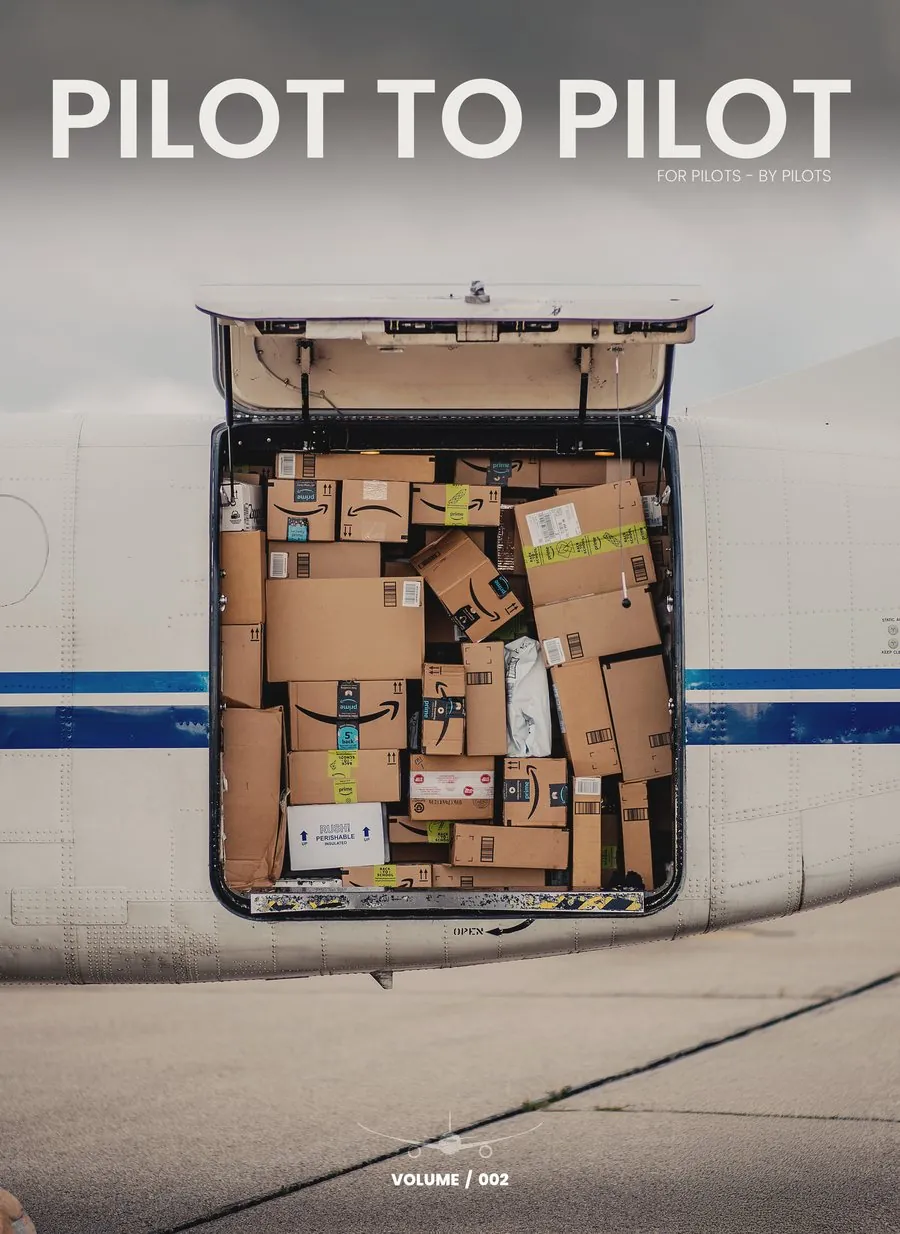
Chancy Arnold is a banner tow pilot who flies a Super Cub along the San Diego coastline while building hours toward an airline job. He is featured in Volume 002 of Pilot to Pilot Magazine.
Frequently asked questions
Is banner towing a good way to build flight time?
Chancy Arnold is building hours toward an airline job by towing banners in a Super Cub, as an alternative to instructing.
How do banner tow pilots pick up banners?
They use a dive-and-hook technique, which Chancy explains in this episode.
How fast do banner tow planes fly?
Chancy flies at about 50 knots indicated, which can be about 15 knots over the ground into a headwind.