How to Pay for Flight Training: Loans, Scholarships, GI Bill and Cadet Programs (2026)
Flight training is expensive, but very few pilots pay for it out of a savings account. Here are the real ways people fund it, from scholarships and the GI Bill to crowdfunding $70,000, with the Pilot to Pilot episodes where pilots explain how they did it.
By Justin Siems · Updated November 2026Most pilots pay for flight training with a mix of savings, scholarships, loans and pay-as-you-go lessons. Veterans can use the GI Bill after earning a private license, students in accredited aviation degree programs can use federal financial aid, and the military trains pilots for free in exchange for years of service.
Know what you’re paying for
A private pilot license typically costs $12,000 to $20,000 or more in 2026. Full career programs that take you from zero experience to a commercial certificate often cost $90,000 to $125,000 or more; United’s Aviate Academy lists $89,000 in tuition, or about $111,700 with fees.
The biggest cost isn’t the price per hour, it’s the hours you repeat. Our flight training cost guide covers how to bring the total down.
Apply for scholarships, a lot of them
Scholarship money is real and under-claimed. The AOPA Foundation alone awarded more than $2.2 million in 2026, a record, across more than 330 scholarships averaging $6,500, including $12,000 awards toward a private license for high school students. It now takes applications twice a year, April to June and October to December.
Also look at EAA, Women in Aviation International, The Ninety-Nines, the Organization of Black Aerospace Professionals, the National Gay Pilots Association, Civil Air Patrol and local pilot associations and flying clubs. Smaller local scholarships get fewer applicants. Mark Reese paid for his training with scholarships, and he explains how on the show.
Use the GI Bill if you served
Veterans can use GI Bill benefits for flight training, with conditions: you must already hold a private pilot license, have at least a second-class medical, and train at an FAA Part 141 school or Part 142 center in a VA-approved program. The Post-9/11 GI Bill pays the school up to a yearly cap. Flight training that’s part of a college degree program is covered through degree benefits instead.
Cheese Pilot used his GI Bill for flight training after serving in the Army.
Let the military train you
The Air Force, Navy, Army, Marine Corps and Coast Guard train pilots at no cost to them, in exchange for a long service commitment, about 10 years after pilot training in the Air Force. Military flying is a career in itself, and many military pilots move to the airlines afterward with reduced ATP hour requirements.
Get into an airline cadet program
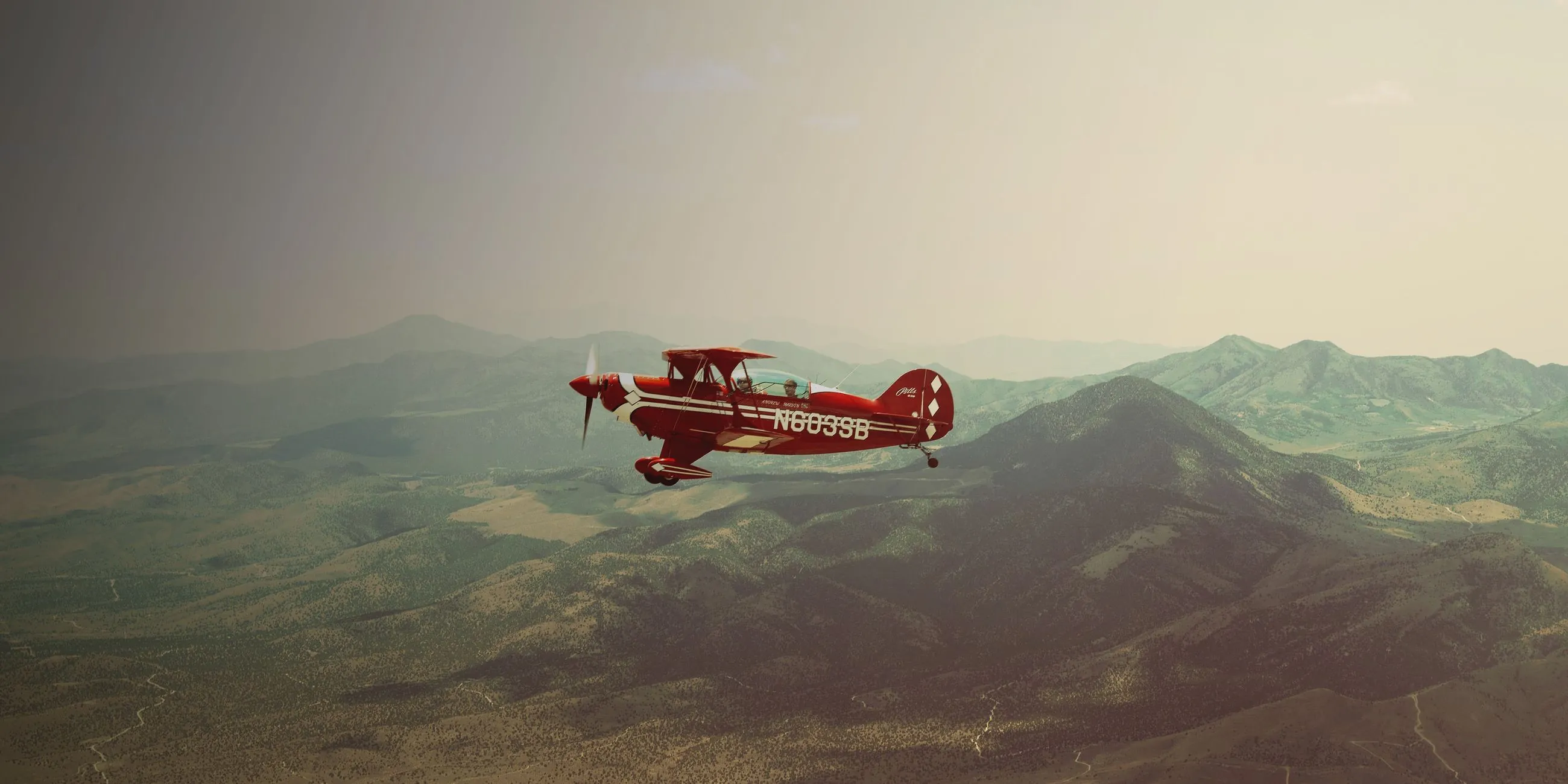
Many airlines run cadet programs that offer mentoring, a smoother path to an interview and sometimes money. As of fall 2026, several regional airlines offer cash: PSA lists $15,000 in training and tuition assistance, Envoy up to $15,000 in instructor bonuses and Horizon $12,500. Mainline programs like United Aviate, Delta Propel and Southwest Destination 225° offer a path to the airline, but you pay for your own training.
Read the commitment carefully: some programs require you to fly for the airline for a set time or pay money back.
Borrow carefully
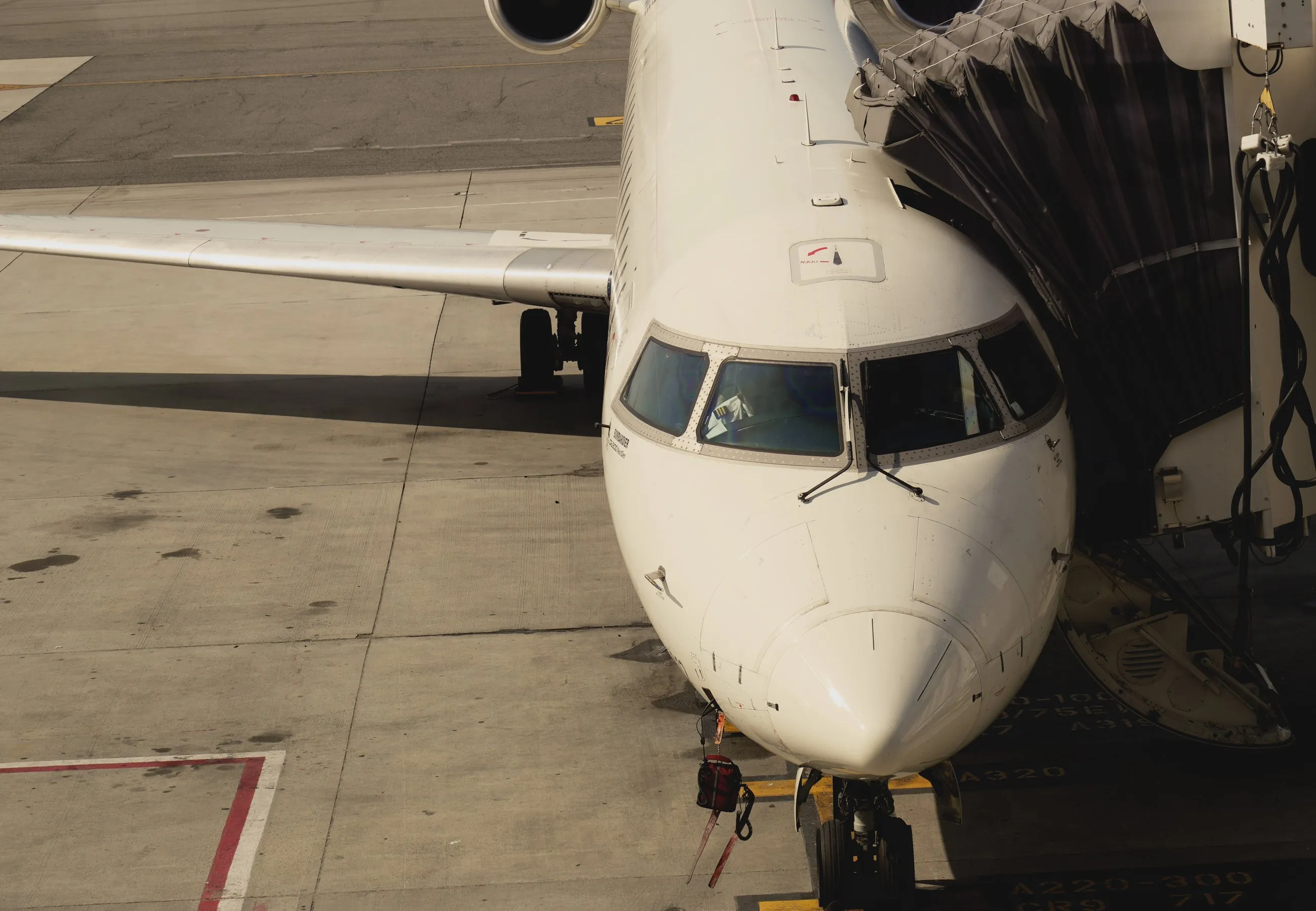
Several lenders specialize in flight training loans, and some schools have their own financing partners. Private student loans and personal loans are other options. Federal student aid (filling out the FAFSA) is available only when the flight training is part of an accredited college degree program.
Compare the interest rate, when repayment starts and what happens if you pause training. Pilots who borrowed six figures say to borrow only for training you’ll finish, and to keep living costs low until you’re earning.
Pay as you go and get creative
Paying lesson by lesson as you earn takes longer but leaves you debt-free. Kaity McKee finished her ratings with zero debt. Rasheed crowdfunded $70,000 for training, and Michael Garber paid for his through graphic design work.
Other ways to save: join a flying club for cheaper airplane rental, buy block time at a discount, work at the airport or flight school, and once you’re a commercial pilot or CFI, let flying start paying you back.

Frequently asked questions
How do most people pay for flight school?
Usually with a combination of savings, pay-as-you-go lessons, scholarships and loans. Veterans often use the GI Bill, and students in accredited aviation degree programs can use federal financial aid.
Can you get financial aid for flight school?
Federal student aid is available when flight training is part of an accredited college degree program. Stand-alone flight schools aren’t eligible, but many work with private flight training lenders.
Does the GI Bill pay for a private pilot license?
Not at a stand-alone flight school. The VA requires you to already hold a private pilot license before using GI Bill benefits for vocational flight training. Flight training in an approved college degree program is handled differently.
Are there scholarships for flight training?
Yes. The AOPA Foundation awarded more than $2.2 million in 2026, and EAA, Women in Aviation International, The Ninety-Nines, OBAP, NGPA and local aviation groups also offer flight training scholarships.
Do airlines pay for pilot training?
Some regional airlines offer bonuses or tuition help through cadet programs, often up to about $15,000. Most major airline cadet programs don’t pay for training. The military trains pilots for free in exchange for a service commitment.
Can I become a pilot without going into debt?
Yes. Paying as you go, winning scholarships, flying with a club and working in aviation while you train can keep you debt-free, as Kaity McKee did.